Why Does the Medical Defence Only Get Looked at After the Blood Test?
When it comes to drug driving charges in the UK, many drivers are confused about when and how their medical defence is considered by the authorities. A common misconception is that demonstrating a medical condition or prescribed medication use at the roadside can prevent arrest. However, in reality, the statutory medical defence—particularly relevant for THC and other controlled substances under the Road Traffic Act—only comes into play after the police have obtained a blood sample and the analysis results are known.
In this article, we’ll explain why the medical defence applies specifically at the blood test stage, how roadside swab tests and police station blood tests differ, and why drivers using electric vehicles (EVs), especially those charging at stations like those offered by EV Powered, face a unique legal risk window during charging downtime. We’ll also reference key organisations such as NHS England and the General Medical Council (GMC) to clarify legitimate medical evidence standards.
Understanding the Statutory Medical Defence and Evidence Burden
Under UK law, the offence of drug driving is governed by section 5A of the Road Traffic Act 1988. The offence is strict liability for the presence of a controlled drug above specified limits in the body while driving or attempting to drive, regardless of impairment. This means:
- The driver can be charged purely on the presence of a substance in their blood above the legal limit.
- The Crown does not need to prove impairment, only that the drug concentration exceeds the defined threshold.
I'll be honest with you: however, a statutory medical defence exists. This defence applies if the drug presence can be attributed wholly or partly to a lawful medical prescription or dosage and the driver complied with that prescription correctly. Key points include:
- The burden of proof lies with the driver or their representative to demonstrate compliance with medical advice.
- This defence is assessed after the blood test shows a positive result for an illegal drug or drug level over the legal limit.
- Medical records and expert evidence from GMC-registered practitioners are often necessary to support the defence.
This explains why the police do not generally consider the medical defence at the roadside during initial testing. At that stage, the focus is on establishing whether the driver has any detectable drugs in their system, not their medical justification.
Roadside Swab Test vs Police Station Blood Test: The Legal Sequence
Police drug testing usually involves a two-stage process:
Test Type When It Occurs What It Detects Legal Weight Roadside Swab Test Immediately on suspicion (e.g., erratic driving) Presence of THC or other drugs in saliva Screening tool; positive result leads to arrest Police Station Blood Test Within hours after arrest Quantitative drug levels in blood (mg/L) Primary evidence for prosecutionThe roadside swab test is a quick, non-invasive screening tool designed to detect recent drug use. If this test is positive for any controlled drug, such as THC, the driver is typically arrested and taken to a police station for a blood test. The roadside swab result itself is not conclusive proof of offending.
The police station blood test is the definitive measure. It quantifies the drug concentration in the bloodstream to confirm whether the levels exceed the legal limits set forth in legislation. Only after these results are obtained does the legal process begin to assess whether any medical defence applies.
Example Scenario: Keys in Pocket at a Charger
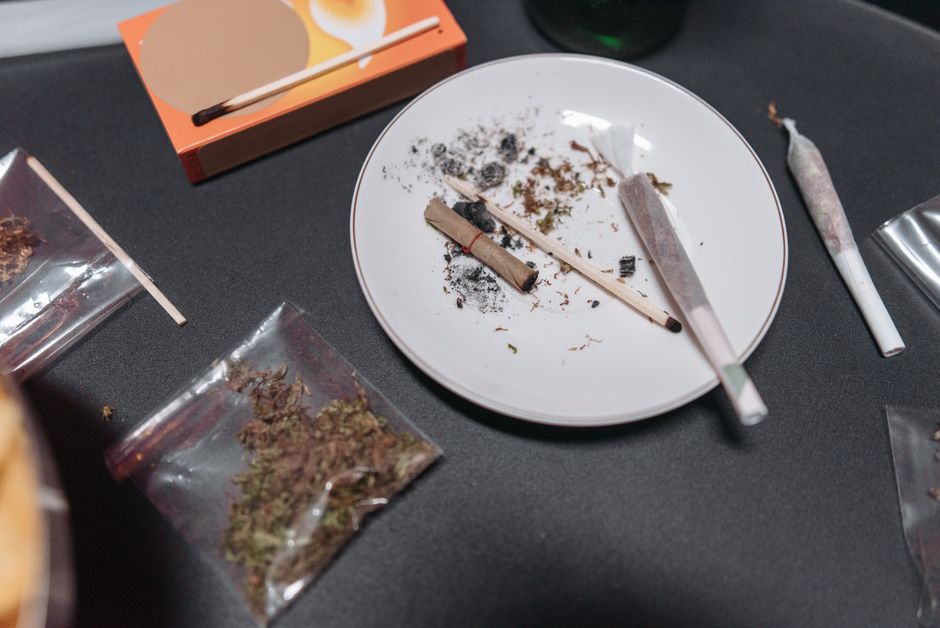
Consider a driver who has stopped at an EV charging station, say one provided by EV Powered. They keep their car keys in their pocket and step away to connect the vehicle to the charger. During this downtime—sometimes 20-30 minutes or longer—the driver may consume prescribed medication containing THC derivatives or CBD oils with trace THC levels.
If the police stop this driver based on suspicion of impairment, they might perform a roadside swab test showing a positive THC https://bizzmarkblog.com/what-if-i-am-charging-at-home-on-my-driveway-does-in-charge-apply/ reading, prompting arrest. The driver’s medical defence is only examined after the subsequent blood test confirms drug levels. However, this EV charging downtime creates a legal risk window:
- The driver’s blood THC level might reflect earlier lawful medication use.
- The swab test—detecting recent presence rather than blood level—may not distinguish between impairment and residual trace amounts.
- Significant delays between roadside swab and blood test collection can complicate interpreting evidence.
THC Blood Limit vs Impairment: Why the Law Focuses on Blood Concentration
Unlike alcohol, where the law directly correlates a blood alcohol content (BAC) with impairment, THC is more complex. The UK has strict limits for THC blood concentration (2 micrograms per litre or µg/L). However, these limits do not necessarily equate to immediate impairment:
- THC is fat-soluble and can linger in the bloodstream long after impairment subsides.
- Some medical prescriptions approved by NHS England or via GMC-registered specialists include THC-containing products in low doses.
- Impairment assessments at roadside (tests such as gait analysis or cognition tasks) supplement drug testing but are not determinative.
Therefore, the legal system relies on the objective blood test and potential medical defence to balance road safety with patients’ rights to prescribed medication.
The Role of NHS England and GMC in Supporting Medical Defence
Both NHS England and the General Medical Council (GMC) provide frameworks ensuring appropriate prescribing and documentation of Controlled Drugs. In drug driving defence cases, evidence from these bodies can be critical:
- Prescriptions registered with NHS England help demonstrate lawful use.
- Expert testimony from GMC-registered clinicians can clarify dosage compliance and patient awareness of driving restrictions.
- Medical records showing timing of medication intake relative to offence help explain blood THC levels.
Without clear medical evidence, courts are unlikely to accept a medical defence. This is another reason why such defences become https://dlf-ne.org/whats-the-simplest-driving-pack-for-medical-cannabis-patients/ relevant only after thorough analysis of blood test results and supporting documentation.

Summary: Why the Medical Defence Is Always Post-Blood Test Assessment
- Roadside swab tests are screening tools that detect recent ingestion of drugs, leading to arrest but not final proof.
- Police station blood tests determine quantitative drug levels used to confirm offence.
- Medical defences require detailed evidence including prescription history and clinical expert opinion to prove lawful medication use.
- This evidence is only gathered and considered after blood test results establish the presence and concentration of THC or other drugs.
- Electric vehicle users connected to chargers (e.g., from EV Powered) face a legal risk window during charging downtime when medication effects may appear inconsistent or delayed in tests.
- NHS England and GMC-approved processes ensure medicine prescribing and certification meet legal standards supporting defence claims.
Takeaway for Drivers
If you use prescribed medications containing THC or other controlled substances, understand that your defence will only be assessed after blood test results. Always keep prescription documentation handy and do not rely on roadside tests or assumptions that a positive swab automatically means impairment or prosecution.
Consult legal experts experienced in drug-driving cases if you are arrested after a positive roadside swab, and prepare your medical evidence in consultation with healthcare professionals registered with GMC. Awareness of this process and timing can safeguard your rights and improve the chances of mounting a successful statutory medical defence.